 If you’ve been living with scoliosis, you know your spinal curve creates problems beyond appearance. The sideways bend puts uneven pressure on your discs, which can lead to pain, stiffness, and that constant feeling of being twisted up inside. It’s exhausting, and it affects everything you do. Many people don’t realize that spinal decompression therapy may be used to support symptom management for some individuals.
Why Scoliosis Creates Compression
When your spine curves, it no longer distributes weight evenly. Some vertebrae move closer together; others move farther apart. The discs between these bones, which act as shock absorbers, are compressed on one side. Over time, this constant pressure may cause them to bulge or even herniate.
That’s where the pain comes from. Compressed discs can press on nearby nerves, sending shooting sensations down your arms or legs. The muscles around your spine tense up, trying to compensate for the imbalance. Your body is working overtime just to keep you upright.
How Decompression Provides Relief
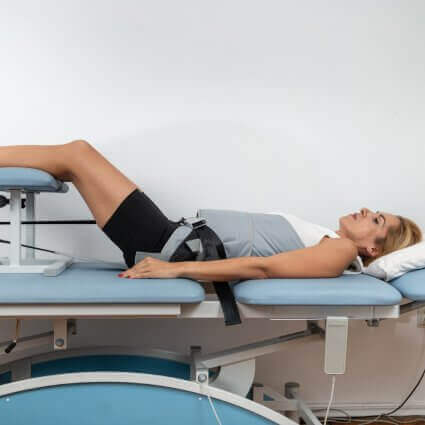
Spinal decompression uses gentle traction to create negative pressure in your spine. This extra space is designed to gently reduce spinal loading forces and may support a more favourable environment for spinal tissues. Think of it like opening a window in a stuffy room; suddenly, everything can breathe again.
Victoria Chiropractor Dr Amar Sandhu uses two primary approaches. Multi-vector traction works in multiple directions simultaneously, which is helpful because scoliosis curves aren’t confined to a single plane. Your spine might be rotated, tilted forward, or leaning to the side. Traditional decompression tables pull along the length of your spine, creating vertical space that’s particularly helpful for disc issues.
Some people report changes in comfort or ease of movement after a few sessions. That makes sense when you consider how a curved spine affects your ribcage and lung capacity. Others report they no longer wake with nerve pain or muscle spasms.
“Think of decompression as giving your spine room to breathe after being cramped for too long,” explains Dr. Sandhu. “When we create that space, we allow the body’s natural healing processes to kick in and reduce the inflammation that’s been causing pain.”
Part of a Bigger Plan
Spinal decompression is most effective when combined with a broader scoliosis management plan. It pairs well with adjustments, exercises, and postural correction. Some people need it regularly, others use it during flare-ups when symptoms intensify.
Schedule an Assessment
Living with scoliosis doesn’t mean accepting constant pain as your new normal. Reach out to Aria Health and Wellness Clinic to learn more about your options for managing spinal curvature discomfort.